
Leaders
Why It Matters
Campaigns
CAPHA Organizes Float in Kumasi to Raise Awareness on the need for the development and implementation of healthier food environment Policies
The Coalition of Actors for Public Health Advocacy organized a highly successful float in Kumasi as part of their advocacy activities for the HD4HL (Healthy Diets for Healthy Lives) project. The float, which took place on Wednesday, February 14th, aimed to create awareness and promote the development of food-related fiscal policies in Ghana. The float, listed as Activity 2.4 in the association’s workplan, was organized by a dedicated three-member Local Organizing Committee (LOC) based in Kumasi. Spearheaded by the Ghana Public Health Association (GPHA), a local organizing committee, consisting of Cynthia Pomaa Asante, Rose Amegashie, and Frank Asamoah, worked tirelessly to ensure the smooth execution of the event. To enhance publicity and create awareness, the GPHA designed and printed various materials, including banners, flyers, and T-shirts. These materials were distributed during the float to engage the public and convey the key messages of the HD4HL project and the policies. The T-shirts, adorned with the project’s four policies, were worn by the approximately 100 participants who took part in the procession. The float started from the Cultural Center and passed through prominent locations such as Pampaso, Adum, Central Market, Kejetia, Adehyeman, Kumasi Zoo, Komfo Anokye roundabout, and back to the Cultural Center. During the float, the participants held placards and distributed 1000 flyers to the public, further spreading awareness about the project. The participants in the float were drawn from various institutions, including students from the Kumasi Nursing and Midwifery Training College, staff of Kwadaso SDA Hospital, staff of Komfo Anokye Teaching Hospital Department of Dietetics, members of the Ghana Public Health Association, and staff of the Ghana Health Service. The presence of three policemen from the Ashanti Regional Police command ensured the security of the event, while the National Ambulance Service was on standby to provide medical care if needed.
CAPHA empowers Journalists to advocate for healthier food environment policies
In a proactive step toward cultivating healthier dietary habits and environments, the Coalition of Actors for Public Health Advocacy (CAPHA) and its partners recently organized a one-day training workshop for journalists as part of the Healthier Diets for Healthy Lives (HD4HL) Project. The collaborative effort includes influential organizations such as the Ghana NCD Alliance, Ghana Public Health Association, Ghana Academy of Nutrition and Dietetics (GAND), Institute of Leadership and Development (INSLA), Green Africa Youth Organization (GAYO), and Songtaba. The HD4HL project aims to advance evidence-based initiatives, mobilize multi-stakeholder actions, and implement policies such as food marketing regulation, food labeling, food-related fiscal policies, and public food procurement and service policies. Recognizing the pivotal role of the media in shaping public opinion, the workshop sought to equip journalists with comprehensive insights into the HD4HL project and its proposed policies, emphasizing their potential impact on public health. During the workshop, representatives from GAND, promoters of the Food Marketing Regulation Policies, highlighted the necessity of regulating advertisements targeting children, ensuring the consideration of health needs, overall nutrition, and well-being. The participants acknowledged the importance of clear food labeling championed by the Ghana NCD Alliance to aid consumers in making informed choices. The workshop also delved into the significance of food-related fiscal policies, which involve imposing taxes on unhealthy foods or providing subsidies for healthy alternatives. Additionally, INSLA’s presentation emphasized the critical role of public food procurement and service policies in setting criteria for the sale and service of food in public settings, contributing to the promotion of healthier food options. The workshop reflected a strategic advocacy approach, aiming to garner media support, raise awareness, and cultivate public understanding of these crucial policies for a healthier Ghana.
CAPHA convenes sensitization program for implementing members on HD4HL Project
The Coalition of Actors for Public Health Advocacy (CAPHA), an implementing partner responsible for advocacy, scholar activism and capacity strengthening activities of the project titled “Developing evidence and action toward a double-duty food-based policy bundle to assure healthier diets in Ghana” has organized a sensitization program for civil society organizations that are part of the coalition’s advocacy implementation activities for the project. The project, also referred to as the Healthier Diets for Healthy Lives Project (HD4HL) which is a collaboration between five partners including government agencies (Ministry of Health, Food and Drugs Authority, National Development Planning Commission), Academia (University of Ghana) and Civil Society (Coalition of Actors for Public Health Advocacy), seeks to develop a bundle of food-based policies that would ensure a healthier and more equitable consumer food environment that reduce the double burden of malnutrition in Ghana. The program which took place on the 15th August 2023 brought together representatives of the six organizations (CAPHA partners), including Songtaba, Green Africa Youth Organization (GAYO), Institute of Leadership and Development (INSLA), Ghana Academy of Nutrition and Dietetics (GAND), Ghana Non-communicable Disease Alliance (GhNCD Alliance), and Ghana Public Health Association (GPHA). During the sensitization, the six CAPHA partners for the HD4HL project were given a detailed presentation on the technical aspect of the project, which was led by Professor Amos Laar, principal investigator, and co-presented by Mr. Gideon Amevinya (all at the University of Ghana School of Public Health). Also present at the program were the leaders of CAPHA including Hon. Dr. Sebastian Sandaare (MP) and Dr. Kasim Abdulai (Department of Clinical Nutrition and Dietetics, University of Cape Coast) who took turns addressing participants about their good efforts in preparation for the execution of the advocacy exercises and the expectations set by CAPHA to enable the full realization of the project’s objectives. Fostering the relevance of team work among stakeholders, Hon. Dr. S. Sandaare resonated that “if researchers and policy makers do their work and advocacy players do not translate the issues unto the grounds and the people, they will not be informed; so let us work together and strengthen the team work” The engaging approach of the program engendered successful discourse among participants, allowing for experience sharing on similar advocacy activities as the healthy food-related policies of the project. It was emphasized by Dr. Isaac Gyamfi, coordinator for CAPHA, that the core of CAPHA’s aim for the HD4HL project is to achieve a safe food environment in Ghana through evidence-based advocacy, scholar activism and capacity strengthening, in order to prompt the formulation and implementation of the healthy food-related policies. The proposed policies in the bundle are: Public Food Procurement and Services Policy, Food Marketing Restrictions Policy, Front of Pack Nutrition labelling policy, and Food-related Fiscal policy.
CSOs, media must help educate the public on healthy diets
Accra, July 21, GNA – The Institute of Leadership and Development (INSLA), a civil society organisation (CSOs), has called on its partners and the media to work together to educate the public to understand the five core principles of healthy diets. It mentioned the healthy diets as limitation of the intake of sugars, shift fat consumption away from saturated fats to unsaturated fat, and elimination of trans-fatty food acid; and limitation of sodium consumption and ensure salt was iodized. The rest are the increase in consumption of whole grains, vegetables, fruits, nuts, among others and ensure the availability of free, safe drinking water, to meet the Sustainable Development Goals (2), (3), and (12). The INSLA made the call when during a day’s orientation for CSOs, community-based organisations and the media on the World Health Organisation (WHO) Action Framework on Healthy Public Food Procurement and Service Policies (HPFPSP) in Accra. The orientation was on the theme “Healthy Food Procurment and Service Policy Saves Lives.” The programme was supported by Coalition of Actors for Public Health Advocacy. The INSLA is championing the course of the HPFPSP through its Healthier Diets for Healthy Lives (HD4HL) project in collaboration with CSO partners to use their existing platforms and networks to raise awareness of the dangers of the consumption of trans-fatty foods, high intake of salt, sugar and sugar-sweetened beverages. Mr Suleiman Yahaya, HD4HL Project Coordinator, INSLA in a presentation on the situations/facts said according to the WHO, unhealthy diets were responsible for millions of deaths worldwide and it was the leading risks factors for disability and death. “Diets which include excess salt, sugars and bad fats kill around eight million people yearly and that non-communicable diseases account for 42 per cent of total deaths and 31 per cent of disease burden in Ghana. “It kills an estimated 86,000 persons in Ghana with 55.5 per cent of them aged less than 70 years,” according to the WHO. Mr Yahaya said the 2019 Ghana Healthy Food Environment Policy Index (Food-EPA) highlighted the urgent need for food labelling and regulation of food products in Ghana. The coordinator quoted President Nana Addo Dankwa Akufo-Addo on May 31, 2020 during the COVID-19 address to the nation series, saying: “The risk factors for these diseases (underling health conditions of living or dying of Covid-19) are being overweight, eating refined foods, too much salt and sugar in meals, … It is thus, crucial that we …, adopt healthy eating practices …, which boost our immune systems.” Mr Yahaya stated that the purpose of HPFPSP was to support countries to develop, implement, assess compliance and evaluate the effectiveness of a healthy public food procurement and service policy. “The action framework is to promote healthy and sustainable diets, food safety and adequate macro- and micronutrient intake to prevent all forms of malnutrition, the policies ensure that food the government purchases, serves, and/or sells in and through public institutions meet healthy nutrition standard,” he said.
UCC Nutrition Students Join National Call for SSB Tax in Float Highlighting Health Risks of SSBs
As part of week-long celebration, of the Ghana Association of Nutrition and Dietetics Students Association of the University of Cape Coast (GANDSA-UCC), and in collaboration with the Coalition of Actors for Public Health Advocacy (CAPHA) and the Ghana Association of Nutrition and Dietetics (GAND), organized a mass float to raise awareness on the dangers of sugar-sweetened beverage (SSB) consumption and to advocate for their support of the SSB taxes in Ghana. The mass float which was under Healthy Diets for Healthier Diets (HD4HL) included participants sharing messages and displaying placards highlighting the risks of excessive SSB consumption. The President of GANDSA-UCC in her speech, emphasized the rising incidence of non-communicable diseases (NCDs) among the youth, noting that 43% of deaths in Ghana are due to NCDs such as heart disease, stroke, hypertension, diabetes, obesity, cancer, and respiratory diseases. She pledged GANDSA-UCC support for SSB taxes as effective interventions and urged the public, especially students, to choose healthier food options like fresh juices and water as alternatives. The event ended with a vote of thanks, recognizing the support of HD4HL, CAPHA, and their partners in promoting a healthier food environment in Ghana.
Kulnyavilla Community Engaged on Gender-Fair Food Policies Under the HD4HL Project
On August 25, 2024, Songtaba, in collaboration with the Coalition of Actors for Public Health Advocacy (CAPHA), organized a vibrant community engagement in Kulnyavilla to raise awareness on healthy diets and advocate for gender-fair food policies. The event was held under the Healthier Diets for Healthy Lives (HD4HL) project and brought together a diverse group of stakeholders including community members, women’s groups, youth leaders, health professionals, and local authorities. The engagement focused on educating the community about the link between nutrition and health, particularly the role of healthy diets in preventing non-communicable diseases (NCDs) such as diabetes, stroke, hypertension, cancer, and respiratory conditions. Presenters emphasized the growing public health burden posed by poor diets and underscored the need for urgent policy interventions to address it. More importantly, the conversation highlighted the unequal access to nutritious food among women and marginalized groups. Discussions centered on how food-based policies can be designed and implemented to be gender-sensitive and equitable—ensuring that everyone, regardless of gender or socioeconomic status, can access healthy and affordable food. The session provided a platform for community members to share their views and lived experiences on food access and nutrition. Many participants expressed concern over the affordability of healthy foods, the influence of unhealthy food advertising, and the limited availability of nutritious options in their markets. Health professionals present at the event echoed the need for stronger policies, not just education, to shift behavior and improve public health outcomes. They called for local and national action to support dietary change, especially among women and young people. The engagement concluded with a collective call for gender-fair, food-based policies. Stakeholders pledged their support for ongoing advocacy and emphasized the importance of including community voices in shaping nutrition-related policies. Songtaba and CAPHA reaffirmed their commitment to advancing evidence-based interventions that promote healthier diets, reduce health disparities, and empower communities through inclusive engagement.
Building Capacity for Gender-Responsive Food Environment Policies: CAPHA Hosts Workshop Under the HD4HL Project
On November 6, 2024, the Coalition of Actors for Public Health Advocacy (CAPHA), as part of the Healthier Diets for Healthy Lives (HD4HL) project, held a capacity-building workshop at the Institute of Statistical, Social and Economic Research (ISSER), University of Ghana. The workshop aimed to strengthen the capacity of CAPHA’s coalition members, representatives from the HD4HL project partners (Ministry of Health, and the National Development Planning Commission (NDPC), Food and Drugs Authority and Univeristy of Ghana. The workshop began with welcome remarks from Dr. Kasim Abdulai, Executive Director of Operations at CAPHA. He emphasized the importance of embedding gender considerations into advocacy efforts aimed at promoting healthier food environments. Ms. Annabel Gyening, the coordinator for the HD4HL re-introduced the HD4HL project, giving a status update on the implementaion of the project. She indicated that the development of the food-based policies, underpinned by Ghana nutrient profiling model, which was the main objective fo the HD4HL project was near completion and urged all present to increase its advocacy towards the implementation of the policies. Following her presentation, Professor Nana Akua Anyidoho—Social Policy Researcher at ISSER and gender expert for the HD4HL project—delivered a compelling address on the importance of integrating gender perspectives into food policy advocacy. She underscored how gender dynamics shape life outcomes and emphasized the need to reflect these realities in both the design and implementation of policy. Professor Anyidoho urged advocates to critically examine the form and content of their messaging. She posed a series of thought-provoking questions: What kinds of messages about food environment policies resonate with men and women, boys and girls? Do these messages challenge or reinforce existing gender norms, roles, and ideologies that sustain inequality? Are both genders fairly represented in the images and language used? Is the tone of the messaging respectful and inclusive of all genders? She also highlighted the importance of delivery: Are the chosen communication channels effective in reaching different gender groups? What impact is intended, and how might the form of advocacy influence men and women differently? Crucially, she called attention to the possibility of unintended consequences could certain strategies inadvertently reinforce stereotypes or exacerbate gender inequality? Her remarks served as a powerful reminder that effective food policy advocacy must go beyond content to consider who is reached, how, and with what implications for gender equity. Mr. Labram Musah, National Coordinator of the Ghana NCD Alliance, followed with a presentation on media and advocacy strategies. He outlined tactics used by the food industry to shape public opinion and emphasized the role of strategic communication in countering misinformation. He encouraged media professionals to leverage their platforms to amplify health-promoting messages. In his closing remarks, Dr. Kasim Abdulai urged all participants to take ownership of the advocacy efforts and work collectively to advance the HD4HL food policy agenda. He reinforced the critical role of CSOs, academia, policymakers, and media in driving sustainable and equitable food systems change.
CAPHA and INSLA Lead Advocacy Walk for Stronger Food Policies in Ghana
The Coalition of Actors of Public Health Advocacy (CAPHA) in collaboration with Institute of Leadership and Development (INSLA) organized the Advocacy Walk to sensitize the Ghanaian public on the need for food policies to promote healthy lives habits in Ghana. The walk was held in the Osu Community, on the 27th of March 2025, under the theme “Ensuring Healthier Diets in Ghana with Evidence and Actions Towards a Double Duty Food Policy Bundle”. The walk began at the Osu Presbyterian school Park, passing through the principal streets of Osu, Ministry of Education, Ministry of Labor and Employment, Ghana Health Service, Tema station, National Theatre, Ridge Roundabout before passing through the street of Parliament House of Ghana and ending the walk at the starting point (Osu Presbyterian Senior High School Park). About one hundred and fifty people joined the float. Participants included public health students and experts, some members of the Ghana Academy of Nutrition and Dietetics, civil society organizations, academics, concerned citizens, and some media houses. These people all added their voices to call for the implementation of food policies in Ghana. Speaking during the walk, Mr. Benjamin Anabila, the director of INSLA, urged the government to adopt and implement key four policy namely: Public Food Procurement and Service Policy, Front-of-Pack Labelling policy, Food Marketing Restrictions and Food-Related Fiscal Policy. He stressed that these measures would not only improve public health but also boost consumer confidence in the safety and nutritional value of food sold in Ghana. He also called on food vendors and the general public to strictly adhere to food policy regulations to safeguard their health and that of their customers and also urged the Food and Drugs Authority (FDA) to tighten regulations on advertising unhealthy food products on television and social media, ensuring that misleading promotions do not influence consumer choices. Overall, the float highlighted the urgent need for healthier diets for health living. News stories from the float LINKS TO STORIES
Learn More About Campaigns

Front of Pack Labelling Policy
Easy to Understand Food Labels, Healthier Food Choices
Simple, easy to understand front of pack food labels that enables consumers to easily and quickly make an inform choice about the healthiness of their foods.
Public Food Procurement & Service Policy
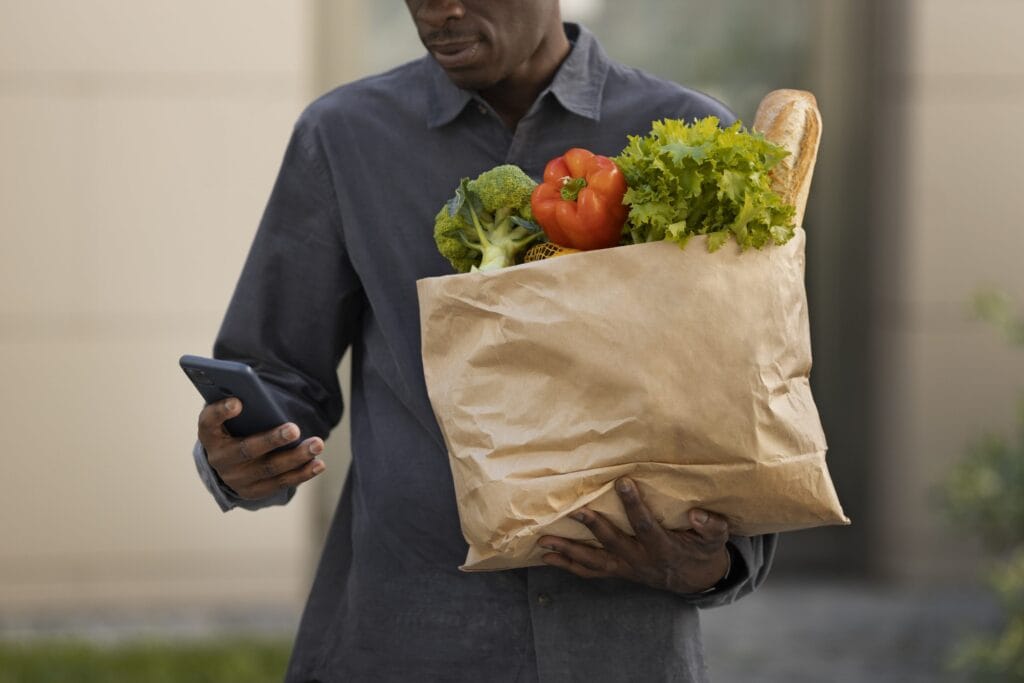
Ensuring Quality Food for All
Policies that set criteria for the service and sale of food in public settings and/or government expenditure on food (including purchases and subsidies) to promote healthy diets.

Food-Related Fiscal Policy
Eat Smart, Pay Less
Policies that include the imposition of taxes on unhealthy foods and beverages that are considered to be unhealthy and subsidies on foods that are healthy

Food Marketing Restrictions Policies
Safe Ads, Healthy Kids
Policies that prevent, protect and restrict the pervasive and persuasive marketing (promotion, advertising) of foods and beverages that are considered to be unhealthy.
Join Our Community and Let’s Unite for a Stronger and Smarter Public Health Advocacy!
Collaborate with like-minded organizations to promote health, shape policy, and empower communities. Together, we can make a bigger impact.
About
The Coalition of Actors for Public Health Advocacy (CAPHA) is a dynamic alliance dedicated to enhancing public health through strategic advocacy and education.
About
The Coalition of Actors for Public Health Advocacy (CAPHA) is a dynamic alliance dedicated to enhancing public health through strategic advocacy and education.
Copyright © 2025 All Rights Reserved CAPHA